Jews of Rhodes: Family Memories & Heritage · Facebook
1 person detected · 0 identified
Person in this photo
Compare faces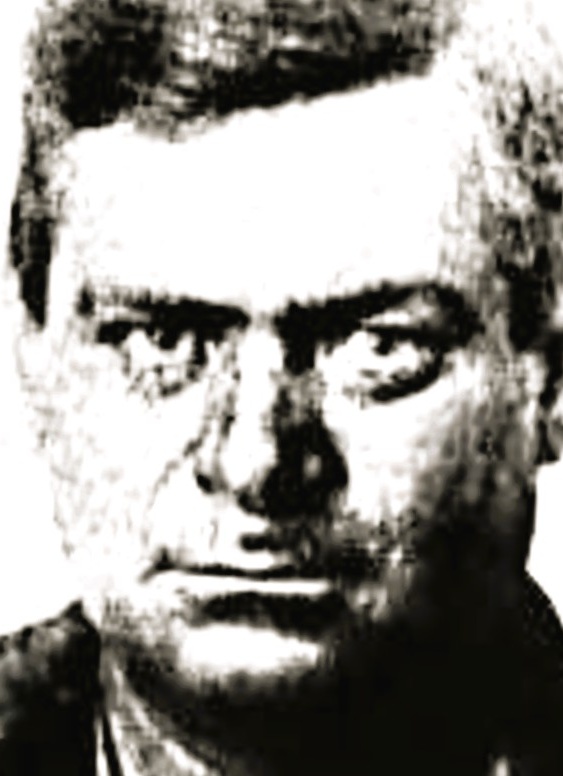
AI Analysis
Estimated by AI — help us verify
✨Date Estimate — AI Estimated
circa 1934
✨AI Reasoning — AI Estimated
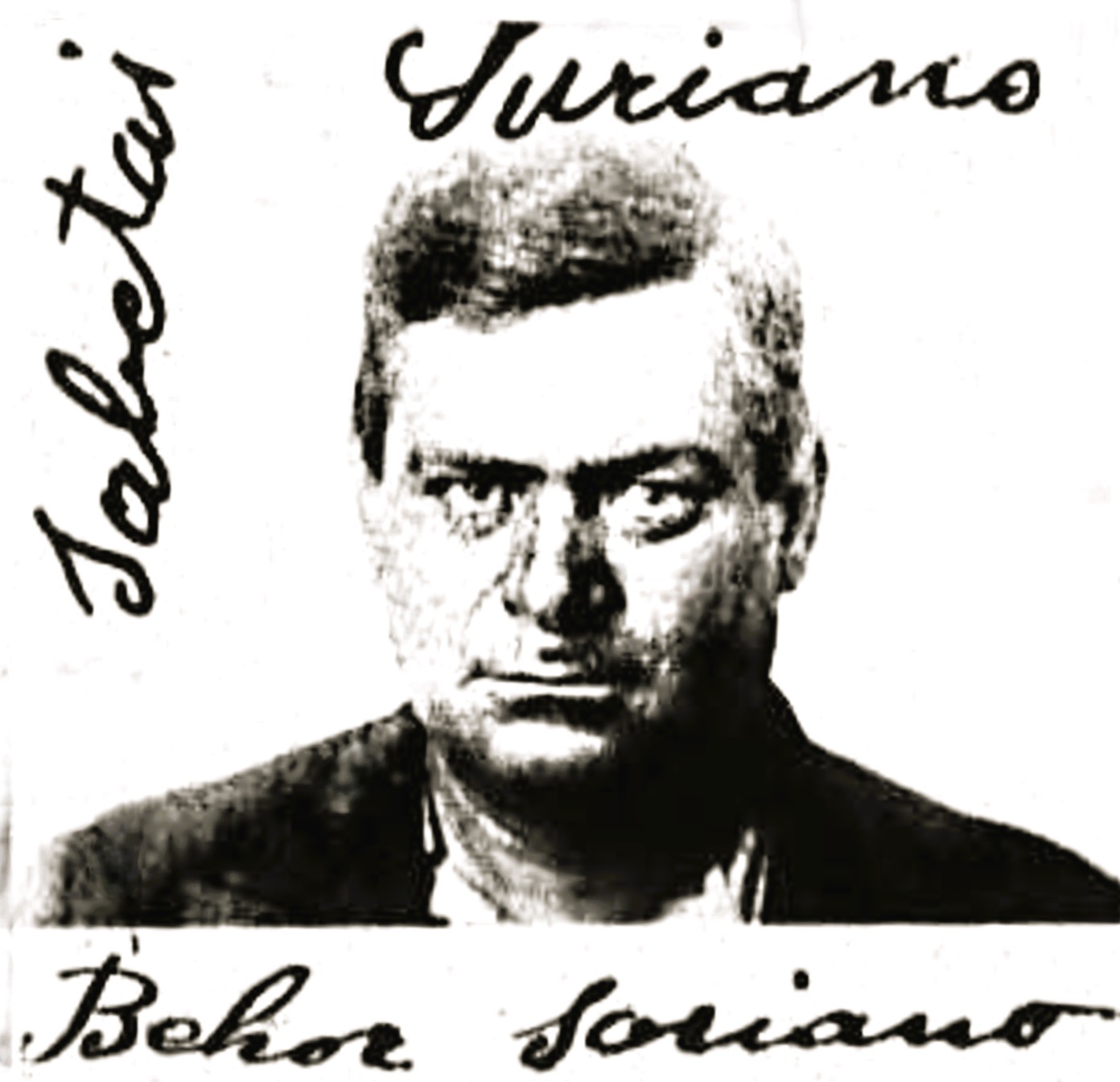
The grooming and clothing are consistent with the interwar period (1920s-1930s). The identification-style format and the specific handwriting style suggest a document from the 1930s, possibly related to travel or identity papers common in the Dodecanese during the Italian administration.
✨Location Estimate — AI Estimated
Rhodes, Greece, Mediterranean
Confidence: mediumLikely Rhodes, Greece (based on surname and naming convention)
✨Scene — AI Estimated
A high-contrast black and white identification portrait of a middle-aged man with a serious expression. He has short, wavy dark hair and is wearing a dark jacket over a light collared shirt. Handwritten names in cursive script surround the headshot.
✨Visible Text — AI Estimated
Sabetai Soriano Behor Soriano
✨Tags — AI Estimated
✨Photo Detective Evidence — AI Estimated
Photo Detective Analysis
Analyzed with Gemini 3-flash (v2_rich_metadata)Print/Physical
high-contrast black and white reproduction
moderate (1920-1950)identification-style headshot crop
moderate (1920-1945)Fashion/Grooming
short, side-parted hair with natural wave
moderate (1925-1945)dark jacket with high-set lapels and collared shirt
weak (1920-1950)Environment
neutral, featureless background typical of ID or passport photography
weak (1910-1960)Technology
grainy, high-contrast texture suggesting a photostat or small-format ID camera
moderate (1930-1950)Cultural context: ID photos in the Sephardic community of Rhodes often utilized older studio equipment; the name 'Behor' (firstborn) is a traditional Sephardic naming convention.
✨Subject Ages — AI Estimated
38
✨Clothing & Attire — AI Estimated
Dark suit jacket or heavy coat worn over a light-colored button-down shirt with a standard collar.
Nobody in this photo has been identified yet — can you help?
Help us identify the people in this photograph. Your family knowledge could be the key to preserving our shared history.