Jews of Rhodes: Family Memories & Heritage · Facebook
1 person detected · 0 identified
Person in this photo
Compare faces
AI Analysis
Estimated by AI — help us verify
✨Date Estimate — AI Estimated
circa 1944
✨AI Reasoning — AI Estimated
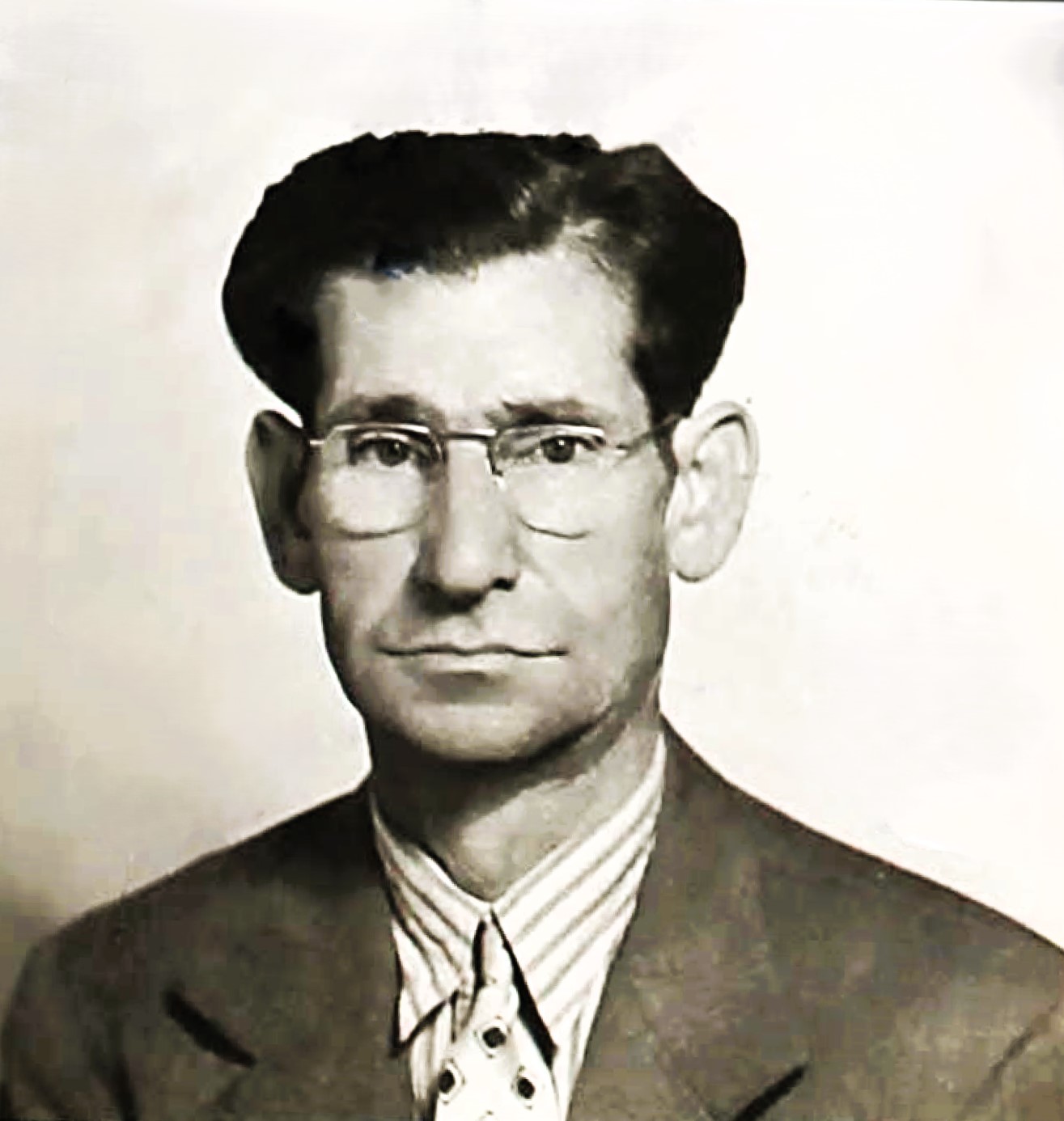
The combination of the wide-lapel suit, the specific bold pattern of the tie, and the rimless glasses strongly points to the mid-1940s. The hairstyle is also characteristic of this decade.
✨Location Estimate — AI Estimated
New York City, United States
Confidence: mediumLikely United States (NYC or Florida) based on the contemporary 'swing era' style of the tie and suit.
✨Scene — AI Estimated
A formal head-and-shoulders portrait of a middle-aged man looking directly at the camera. He is wearing a dark suit with wide lapels, a striped shirt, and a tie with a prominent circular pattern. He wears rimless eyeglasses and has dark hair styled with volume on top.
✨Tags — AI Estimated
✨Photo Detective Evidence — AI Estimated
Photo Detective Analysis
Analyzed with Gemini 3-flash (v2_rich_metadata)Print/Physical
Black and white headshot, likely a crop from a larger studio portrait or an ID photo
moderate (1935-1955)Fashion/Grooming
Wide notched lapels on suit jacket
strong (1940-1949)Boldly patterned tie with geometric/circular motifs
strong (1942-1952)Striped dress shirt with pointed collar
moderate (1935-1950)Environment
Plain, neutral studio background
weak (1920-1960)Technology
Rimless or semi-rimless eyeglasses with a high bridge
moderate (1930-1945)Cultural context: The subject's attire (bold tie and suit cut) is very consistent with mid-1940s Western trends. In Sephardic diaspora communities, this level of 'modern' dress often indicates a professional or someone recently established in a US urban center like NYC or Miami.
✨Subject Ages — AI Estimated
45
✨Clothing & Attire — AI Estimated
Notched lapel suit jacket, vertical striped dress shirt, wide tie with dark circular/geometric patterns, rimless spectacles.
Nobody in this photo has been identified yet — can you help?
Help us identify the people in this photograph. Your family knowledge could be the key to preserving our shared history.