Preserving the faces and storiesof the Jewish Community of Rhodes
For over 450 years, a Sephardic community thrived on the island of Rhodes — speaking Ladino, preserving ancient traditions, and filling the Juderia with life. In July 1944, nearly all were deported to Auschwitz. Only 151 survived. This archive uses face recognition to reconnect their descendants with the faces and stories that remain.

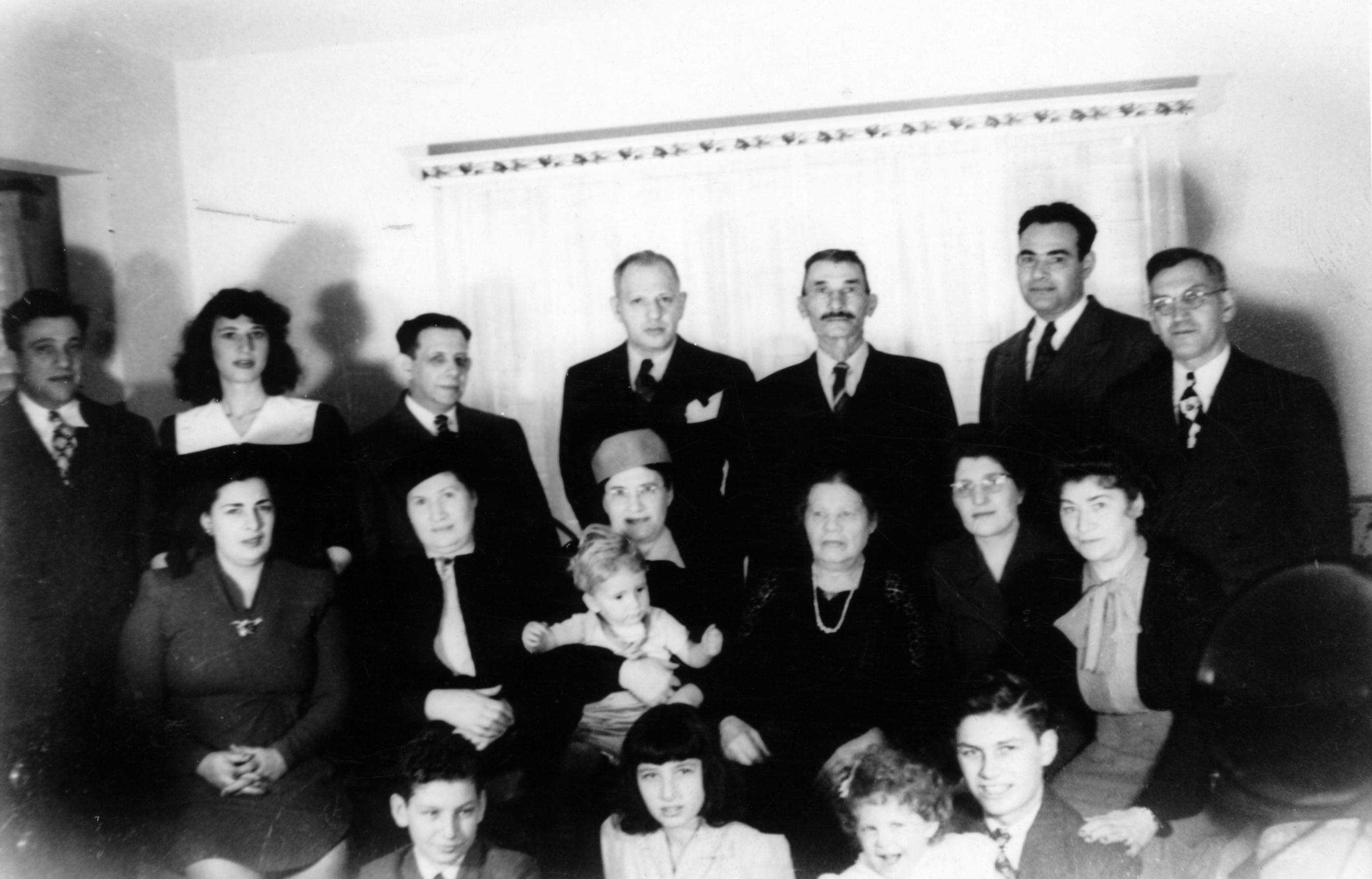
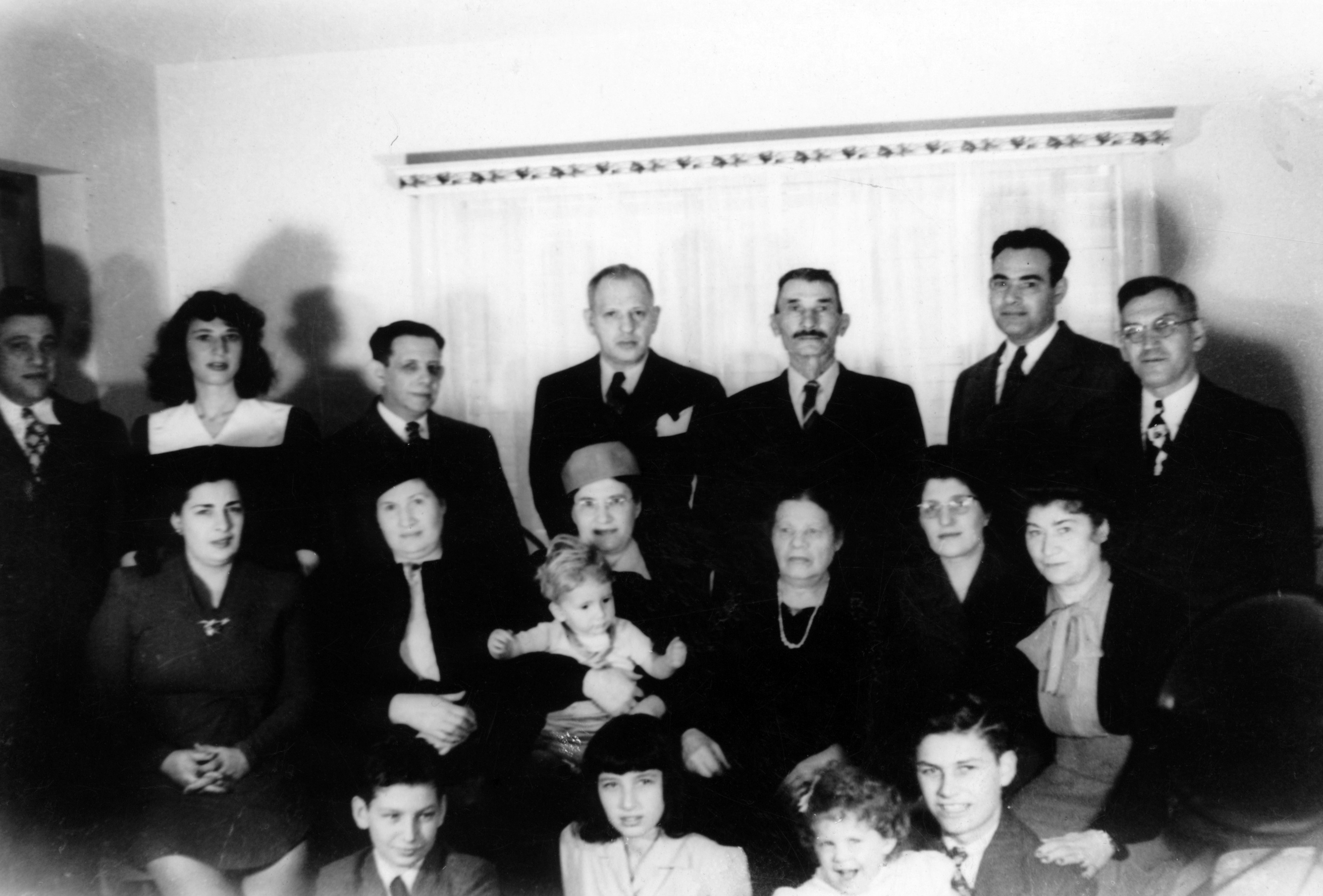

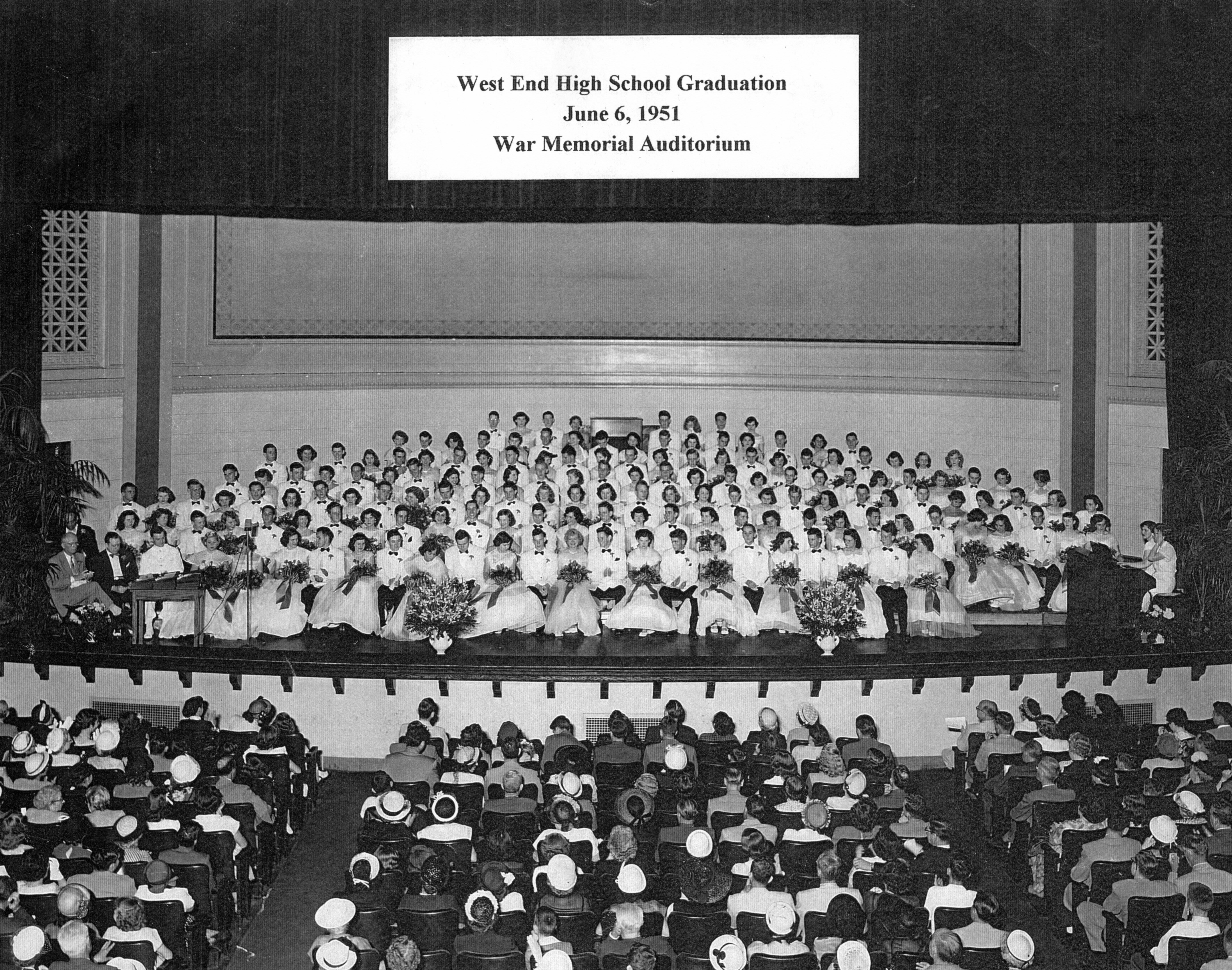
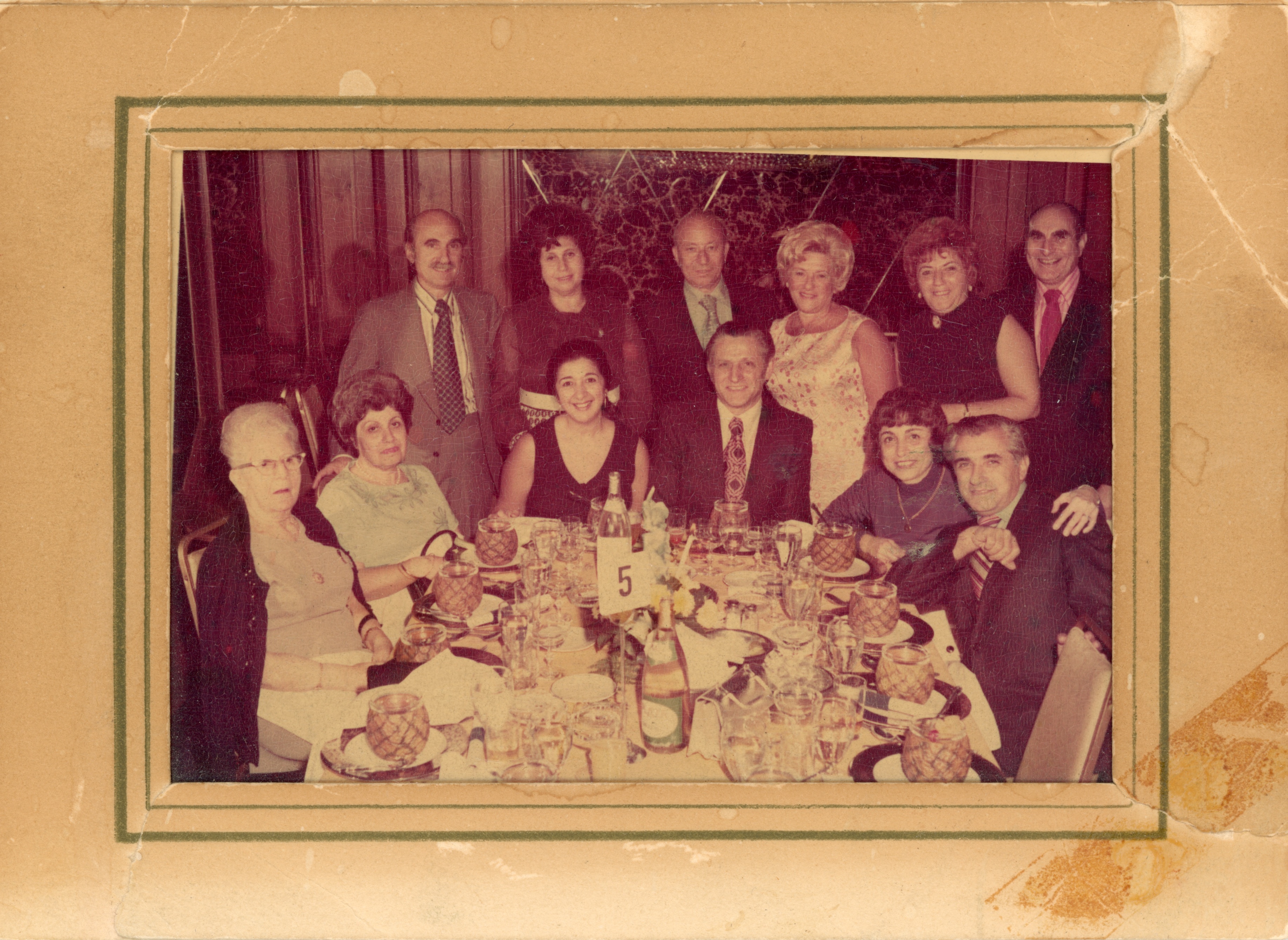
Hover over photos to reveal face detection
Identified so far
131 of 2986 faces identified
Help us name the rest — every identification preserves irreplaceable history.
Can you identify these faces?
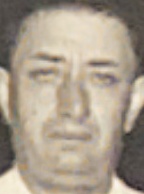
Our AI has detected these faces across the archive, but we do not know who they are. If you recognize anyone, your knowledge is priceless.

How It Works
Scan & Detect
Advanced face detection AI scans archival photographs, finding and isolating every face across decades of family photos.
Match & Group
Facial embeddings connect the same person across different photos, even spanning decades. The system proposes identity clusters for human review.
Name & Preserve
Community members who recognize a face can name them, adding irreplaceable human knowledge. Every identification is preserved for future generations.
About This Archive
After the expulsion from Spain in 1492, Sephardic families settled on the island of Rhodes, building a vibrant community in the walled quarter known as La Juderia. They spoke Ladino — a form of medieval Spanish interwoven with Hebrew, Arabic, Greek, and Turkish — and preserved centuries of folklore, ballads, and traditions in remarkable isolation. By 1920, over 4,000 Jews called Rhodes home, a quarter of the town’s population. The Kahal Shalom synagogue and the great Kal Grande stood at the heart of communal life, the latter housing an 800-year-old Torah scroll.
Beginning in the early 20th century, Rhodesli Jews emigrated in waves — first to nearby communities, then further abroad as the Italian occupation of 1912 and the racial laws of 1938 uprooted families. Chain migration carried them to Seattle and Los Angeles, Montgomery and Atlanta, Buenos Aires and São Paulo, and communities across Africa and beyond. In July 1944, the Germans deported nearly all 1,800 remaining Jews to Auschwitz. Only 151 survived. About 40 more were saved by the Turkish consul, who vouched for their citizenship.
Rhodesli is a digital preservation project that uses AI face recognition to reconnect descendants with the faces in these photographs. The images come from family collections around the world. Every face you identify — every name you recognize, every story you share — helps preserve what the survivors and their descendants have fought to keep alive.
Read more about the project →Every name matters
1842 faces are awaiting identification. Your family knowledge can bring them home.